People

James Hanlon

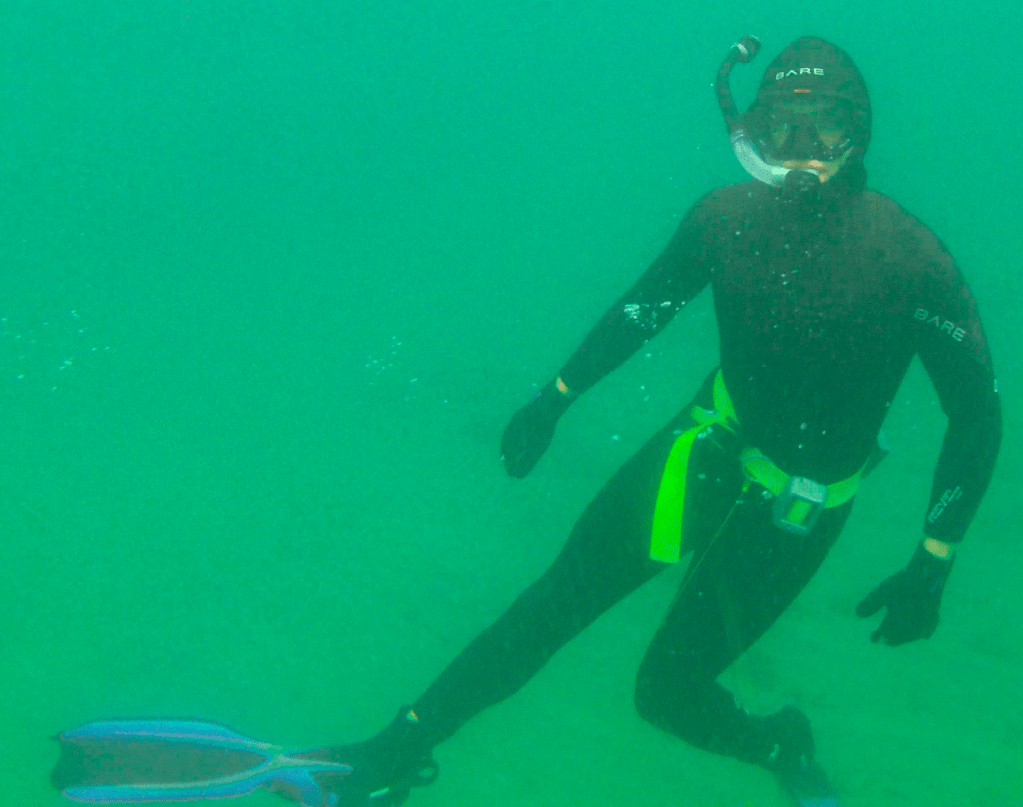
My name is James Hanlon, originally from Cambridge, Ontario, I now live in Linwood, Nova Scotia. I am enrolled in the Co-op program and pursuing an Honours in Biology. My passion for discovery has led me to the depths of research, quite literally, as I currently engage in freediving for scientific study. I’m thrilled to be contributing to the field of marine biology through the juvenile lobster behaviour project with the Wyeth Lab. This opportunity allows me to expand my skills and collaborating with Dr. Wyeth’s team is an honor, and I look forward to future endeavors.

Grace Walls

Grace Walls is a third year PhD student in the St. FX and Memorial University joint program looking to unravel the mysteries of lobster foraging ecology. She completed her B.S. in Biology with minors in Natural Resource Conservation and Psychology from University of Massachusetts at Amherst in 2013. From there she developed 6 different marine education programs for different NPOs and school systems of her native Cape Cod. Drawn to research, she went aboard the NOAAS Henry B. Bigelow which started off the adventure of hundreds of sea days spent on both fishing and research vessels around the globe. The majority of her time was spent with the Alaskan fishing fleets based the Aleutian Islands, sailing in the Bering Sea and the Gulf of Alaska. Migrating to the Baltic Sea for her masters in Biological Oceanography her thesis monitored the effects of changing environmental conditions on plastic ingestion and feeding ecology of benthopelagic fish. Switching gears once again and settling benthically to work with invertebrates, Grace completed her thesis field work in 2022 and is currently in the process of analyzing our >6500-hour lobster foraging dataset.

Russell Wyeth

2017-07-07 21.05.25

My interests encompass much of the diversity of animals, but my research has focused primarily on aquatic invertebrates, particularly their behaviours and nervous systems.  I’m especially intrigued by how nervous systems control adaptive behaviours – responses appropriate to the cues animals encounter in their natural habitat.  That makes me a neuroethologist, but my students and I follow new questions into many other areas of invertebrate zoology.  I’m also keenly interested in helping students think like biologists, applying sound analytical skills to understanding organisms, and this pervades both my teaching and approach to mentoring student in research.

My professional info (CV, etc.) is here and contact details are here.