Everybody is pretty busy these days!


Everybody is pretty busy these days!
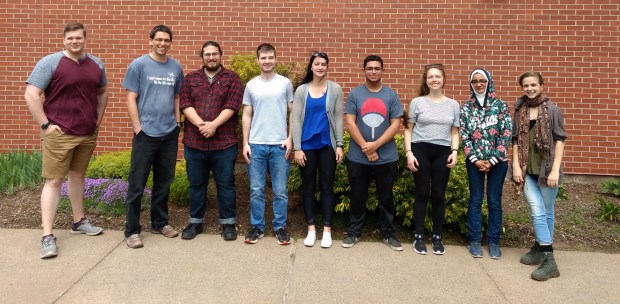
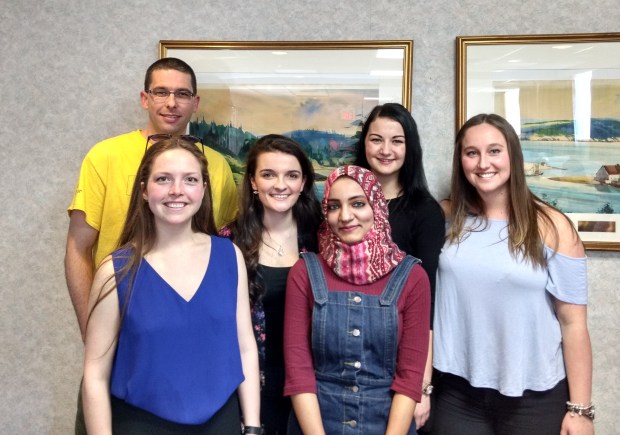
Here’s almost the whole crew – travel schedules didn’t mesh so we are unfortunately missing Katerina and Sophie, but otherwise we’re all in the line! From left-to-right…
And missing are…

WyethLab, going with the flow
 I am a second year student with a major in biology. Born in Egypt, I have lived in Montreal for 7 years before moving to Antigonish. I am very excited to start doing research this summer, as I will be able to learn new things and gain a lot of experience. I will be working with Alex, studying gene expression in the nervous system of Lymnaea. Doing this research will also help me prepare to do a master’s degree after graduating, in hope of applying to medical school in the future. My other hobbies include playing soccer, video games and watching anime.
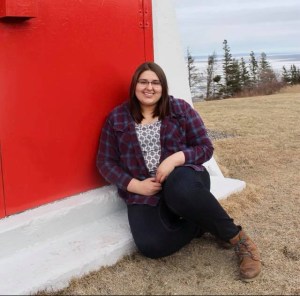
I’m a second year student in the Bachelor of Business Administration Program, and I’m from We’koqma’q First Nation. I had not aimed towards going into science until I heard of this research project that was involving my own community. I’m honoured to take this position doing research for the summer involving anti-fouling. It’s amazing to be able to experience a different environment and also to be a part of this project because it’s beneficial to my community. I’m very glad that I got the opportunity to open a whole new world to me in the biology and chemistry departments. I’m really looking forward to spending the summer doing research, and will be testing anti-fouling materials in We’koqma’q with Michelle Hodgson.

I am a fourth-year student and recently completed my Honours thesis. My research was interested in investigating behavioral innovation in the American Lobster, Homarus americanus, with the use of problem-solving tasks. I will be returning to St.FX for my final semester in the fall to complete my Biology degree. Until then, I am returning to the Wyeth lab for my fourth year as a research assistant. I will continue to work with Rachel Webber, who is investigating lobsters’ behavioral responses to various bait options near Antigonish, Nova Scotia.
I entered St.FX as a mature student and since then, I have gained experience from various research opportunities. The research projects that I have been involved in include work in Brier Island, studying Canada’s rarest plant, Geum peckii, antifouling methods for aquaculture netting and lobster behavior. I am enthusiastic to start this year’s project, and plan to do a Master’s degree in the Ecology or conservation field.
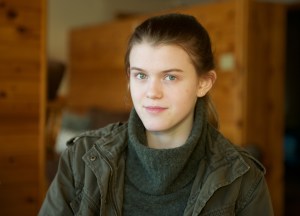
I am a fourth year student pursuing my BSc in Honours Chemistry. I am originally from Ottawa, and for the past two summers I have worked at the Children’s Hospital of Eastern Ontario (CHEO) Research Institute researching rare genetic disease including developing a zebrafish animal model for Pyridoxine-Dependent Epilepsy. This year I am working on developing environmentally-friendly antifouling surfaces for marine aquaculture, specifically against mussel fouling in the Bras D’Or lakes in Cape Breton as part of my thesis work. After my undergraduate degree, I am interested in pursuing a career in medicine, and I hope to someday have the opportunity to join Medecins Sans Frontieres (Doctors Without Borders). I would like to always be involved in research in some capacity throughout my career. My other interests and hobbies include drawing and painting, singing and playing guitar, running, playing soccer, skiing, being a coxswain on the StFX Rowing Team and a member of the StFX Tennis Team, hiking and traveling.
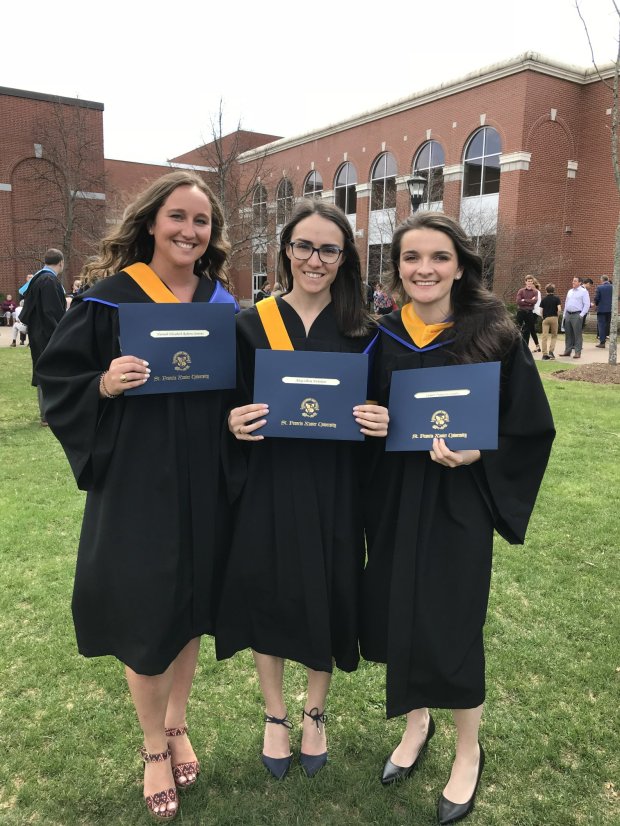
Big kudos to Alexa Nicholson, Hannah Stevens, and Carmen Landry – the WyethLab graduation class of 2018! We’ll miss their scientific acumen, energy and dedication, but of course wish them all the best in their next adventures. They are destined for big things – Hannah and Carmen are heading off to medical school, and (probably) dentistry for Alexa.
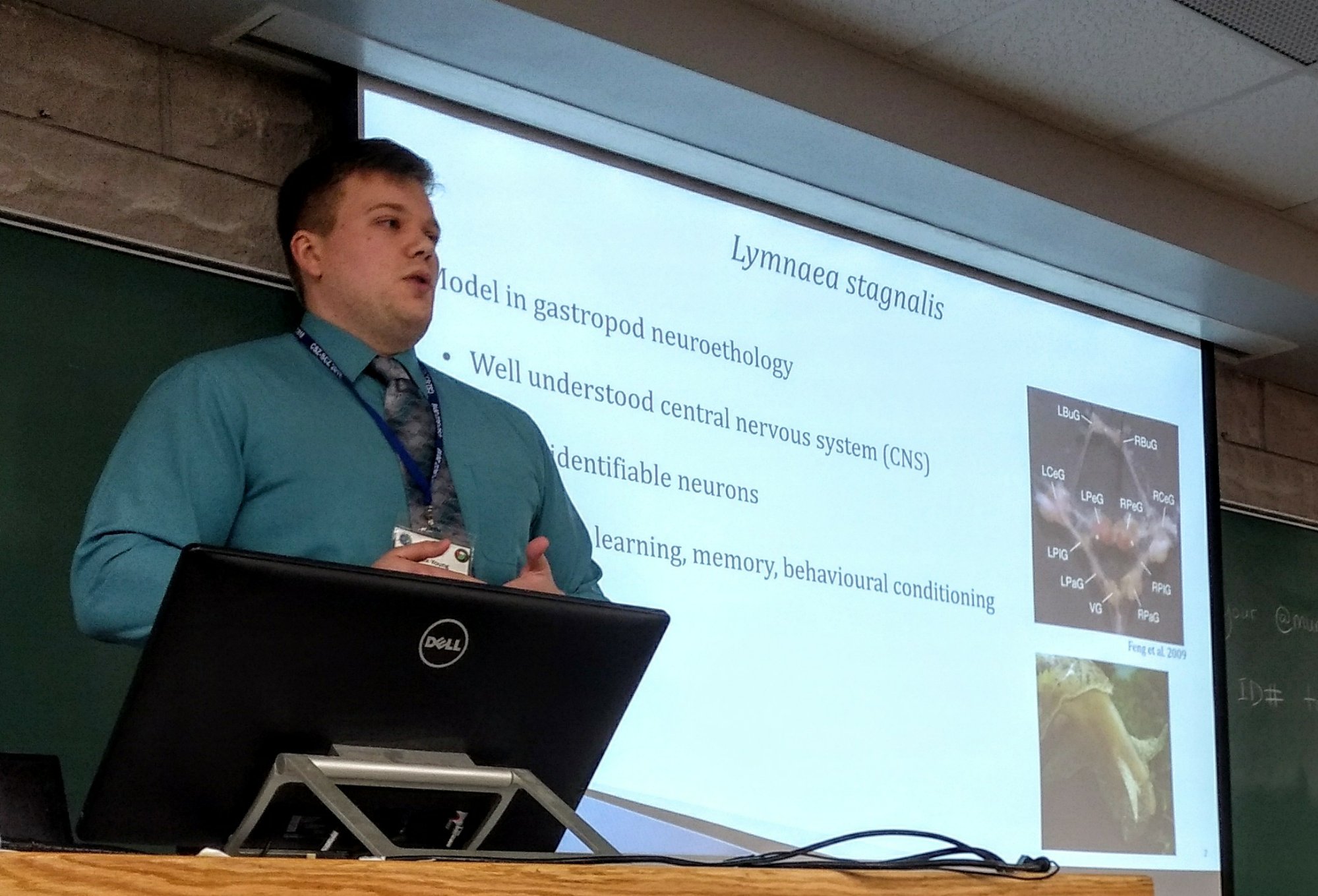
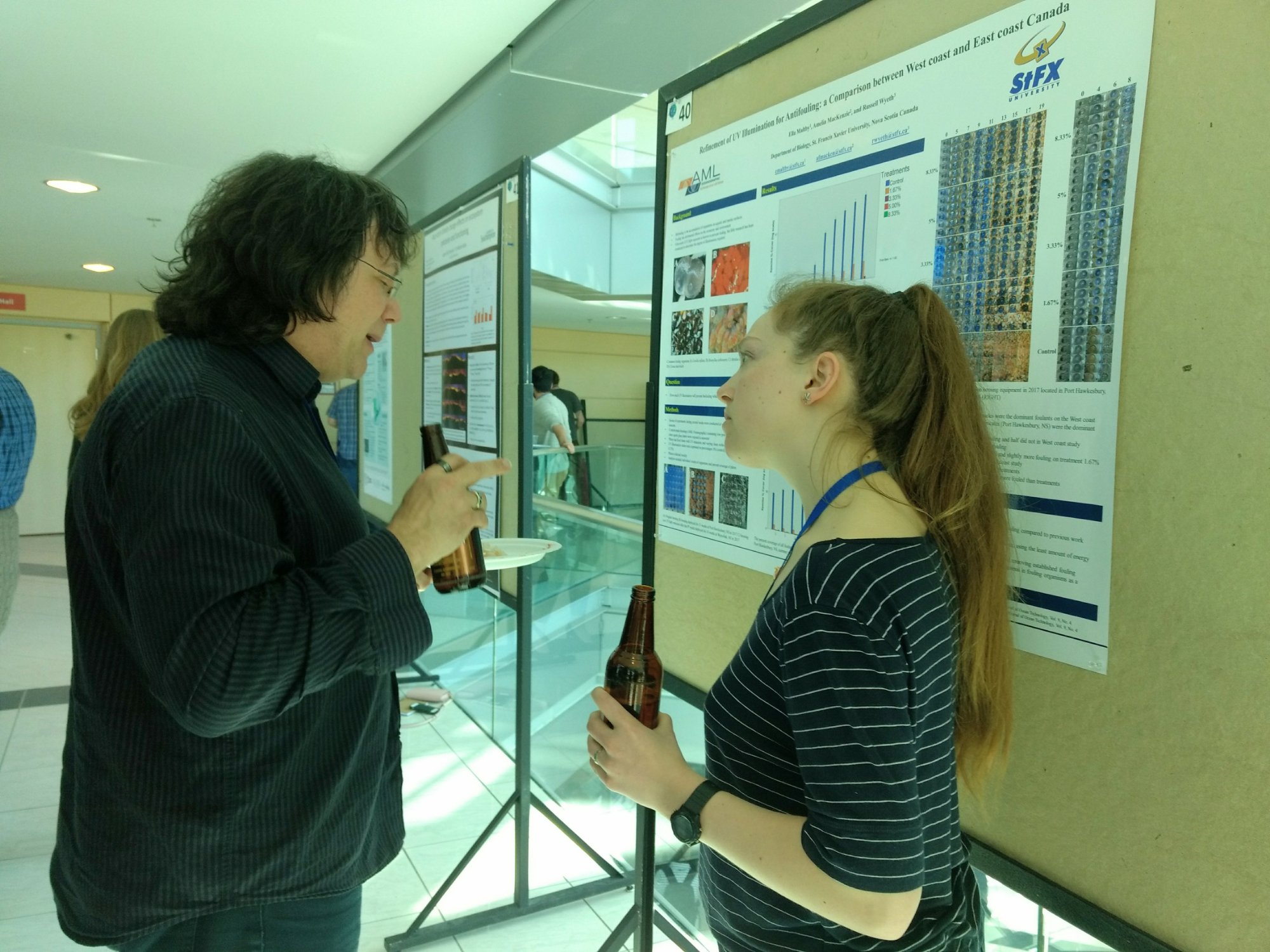
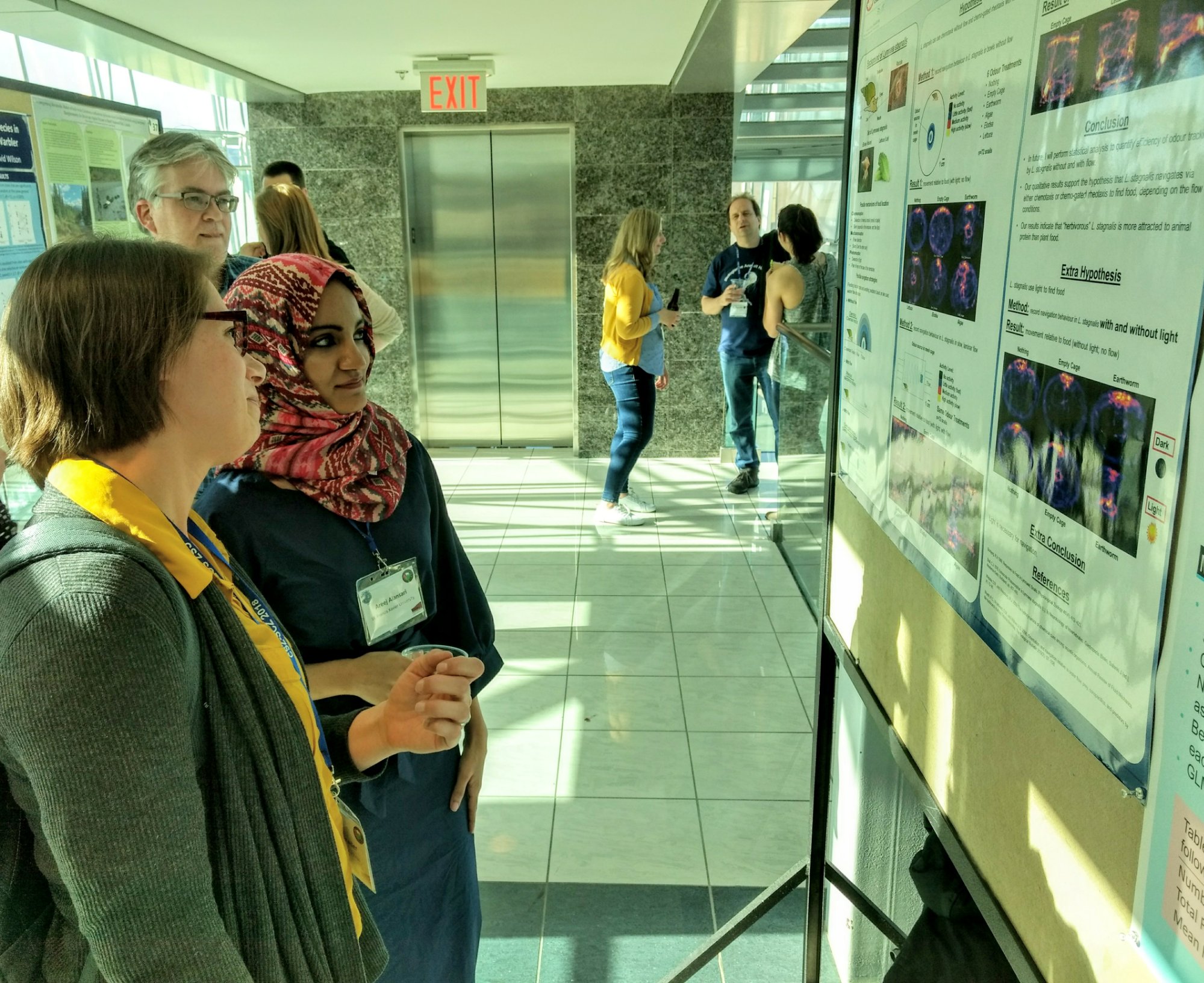
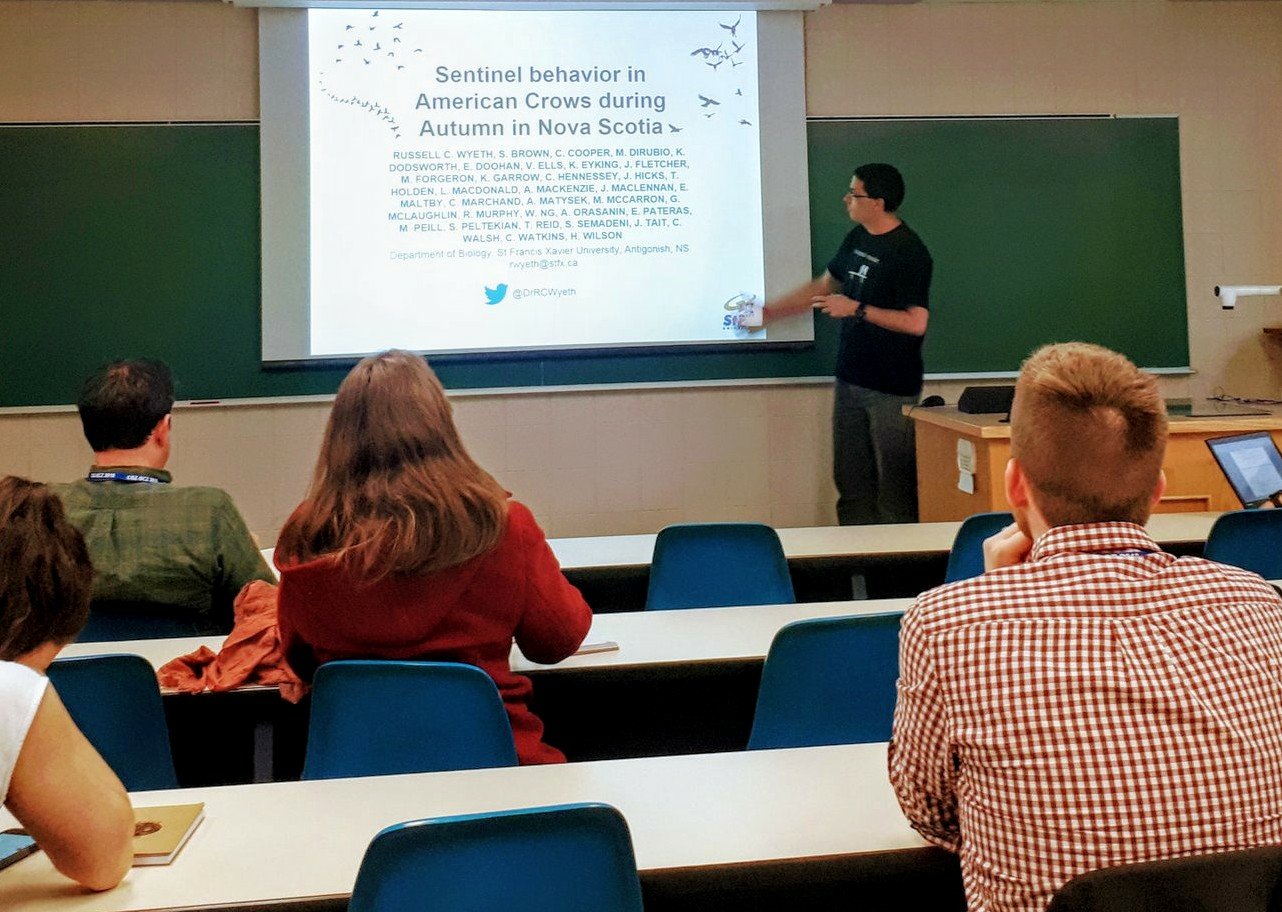
We’ve just wrapped up a great week at the annual meeting of the Canadian Society of Zoologists. Alex Young and Areej Alansari presented their snail research – on neural gene expression and navigation behaviour, respectively. Ella Maltby presented her work from the last couple years on ultraviolet light as an antifoulant. And Russell went in a new direction, sharing research on crow behaviour conducted by the 2015 and 2016 students in his 4th year Animal Behaviour course.
Lots of congratulations to share…
Carmen Landry submitted the final version of her Honours thesis.
Amelia MacKenzie was awarded Holly E. Bartlett Memorial Bursary (in the StFX News)
Ella Maltby and Areej Alansari presented their MSc work in a split seminar to the Biology Department to widespread acclaim!
And RCW and Mar Wonham’s article on teaching the scientific method also was shared by StFX News (along with some nice comments from Carmen and others!)
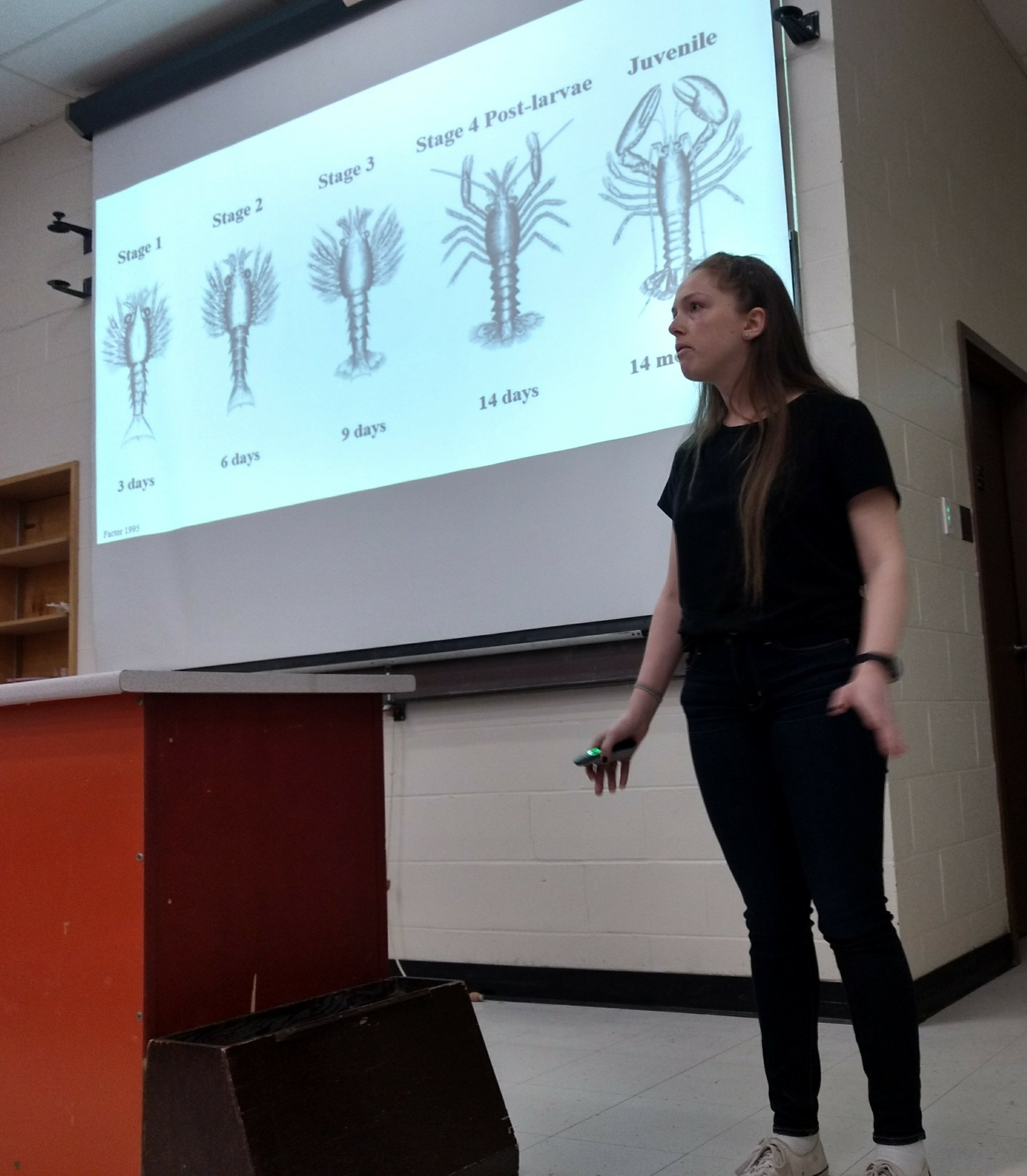
Ella Maltby
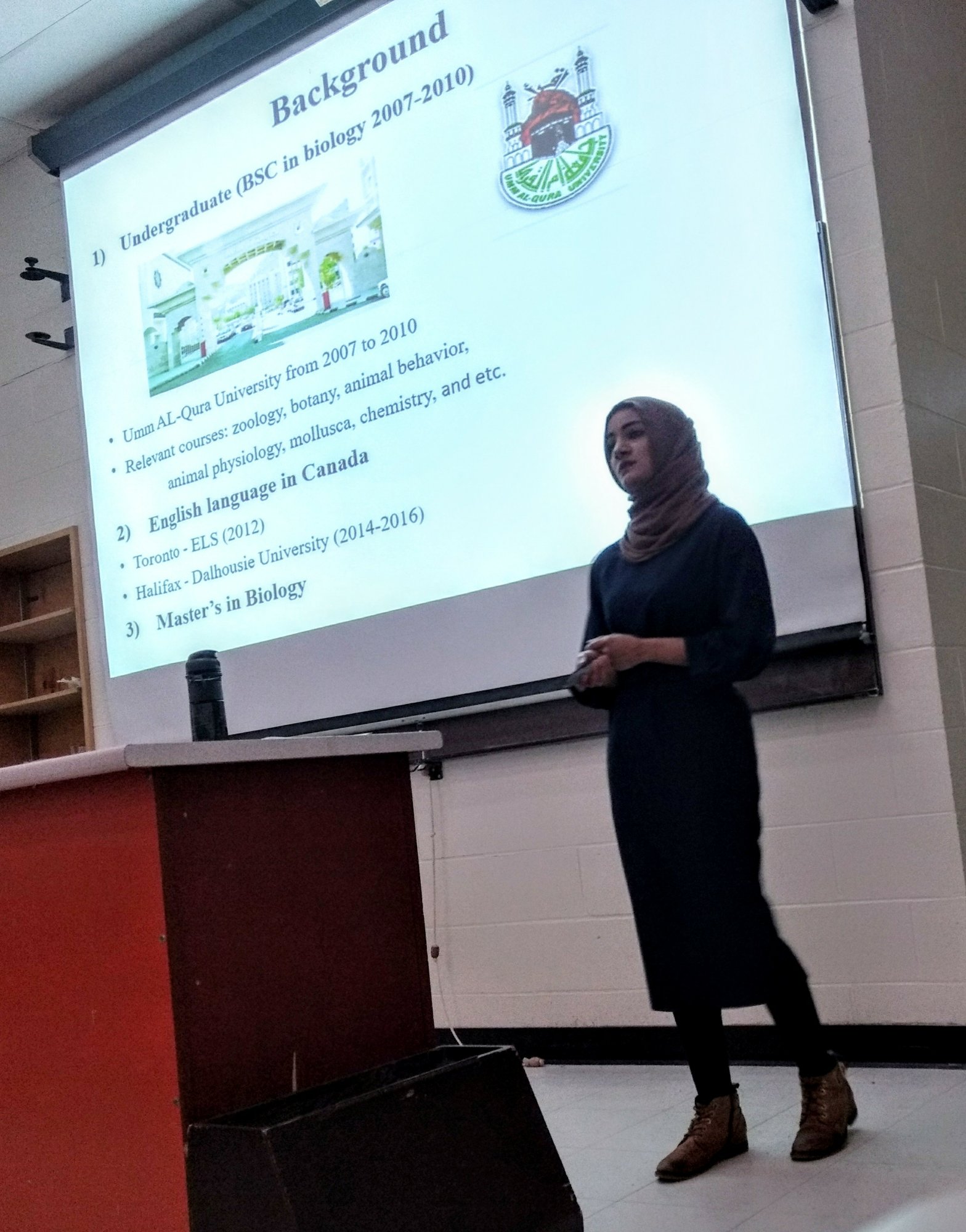
Areej Alansari
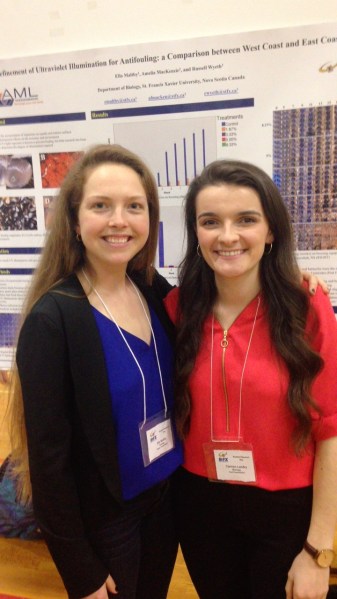
Ella and Carmen
Unfortunately, I had to miss Student Research Day this year while travelling in Europe. But the WyethLab was well represented! Carmen Landry won the top award for oral presentations sharing her work on reference genes for qPCR in snails. Although they didn’t compete for awards, I’m reliably informed that both Ella Maltby (poster) and Amelia MacKenzie (talk) did a great job with their presentations on antifouling research.
 Wyeth Lab